Companionship and Aging in Place
Why aging in place needs more than independence
Aging in place is often described as the ideal scenario for older adults, and for good reason. Remaining in a familiar environment provides comfort, stability, and a sense of control over daily life. However, the concept is sometimes simplified to mean complete independence, which can overlook an important reality. Living at home does not automatically ensure a fulfilling or connected daily experience.
Without regular interaction, even a comfortable environment can begin to feel isolating. Daily routines may become less structured, and opportunities for engagement may decrease. Over time, this can affect both motivation and overall well-being. For aging in place to work in a meaningful way, there needs to be a balance between independence and ongoing connection.
How companionship supports everyday life
Companionship introduces a level of consistency that is often missing when someone lives alone. Having a regular presence, whether through visits or shared activities, creates a rhythm that helps anchor the day. This can influence everything from mood to energy levels, as well as a person’s willingness to stay engaged in their usual routines.
The value of companionship is not limited to conversation. It also includes shared experiences, whether that involves going for a walk, preparing a meal, or simply spending time together in a relaxed setting. These interactions help maintain a sense of normalcy and provide subtle encouragement to stay active and involved.
The impact on emotional and cognitive well-being
Regular interaction plays an important role in maintaining cognitive engagement. Conversations, storytelling, and shared activities all contribute to mental stimulation, which supports memory and overall cognitive health. At the same time, consistent social contact can help stabilize mood and reduce feelings of loneliness.
When these elements are present, people are more likely to feel connected to their environment and maintain a sense of purpose in their daily life. This has a ripple effect, influencing not only emotional well-being but also physical health and long-term independence.
Intergenerational companionship as a natural fit
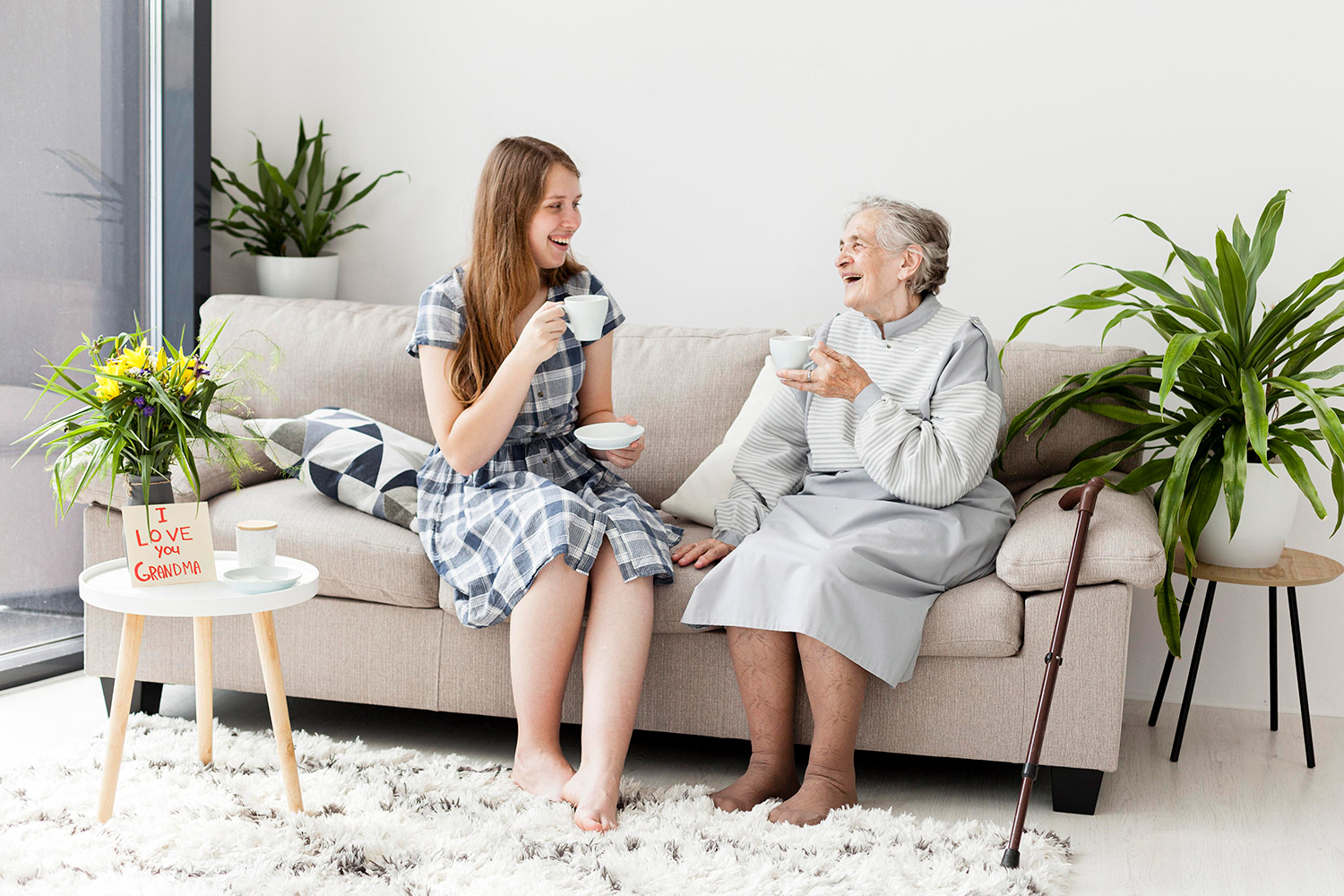
One approach that has shown particular promise is intergenerational companionship. Bringing together individuals from different age groups creates a dynamic that often feels more organic and engaging. Younger companions may bring curiosity, energy, and new perspectives, while older adults contribute their experiences, insight, and a broader sense of context.
These interactions tend to feel less structured and more conversational, which can make them more enjoyable for both sides. Over time, they can develop meaningful relationships that extend beyond the initial purpose of the interaction.
Supporting independence through connection
There is sometimes a concern that adding support might reduce independence, but the opposite is often true. When people feel supported, they are more likely to stay active, maintain routines, and engage with their surroundings. This creates a stronger foundation for independence, rather than diminishing it.
Companionship can be integrated in ways that feel natural and flexible, whether through regular visits, shared activities, or simple check-ins that become part of a routine. The key factor is consistency, which allows the relationship to develop and the benefits to accumulate over time.
Final thoughts
Aging in place is most effective when it includes both independence and connection. Companionship provides a practical way to support that balance, helping individuals remain engaged, maintain routines, and experience a higher quality of life within their own homes.


