Rebuilding and Restitching Community
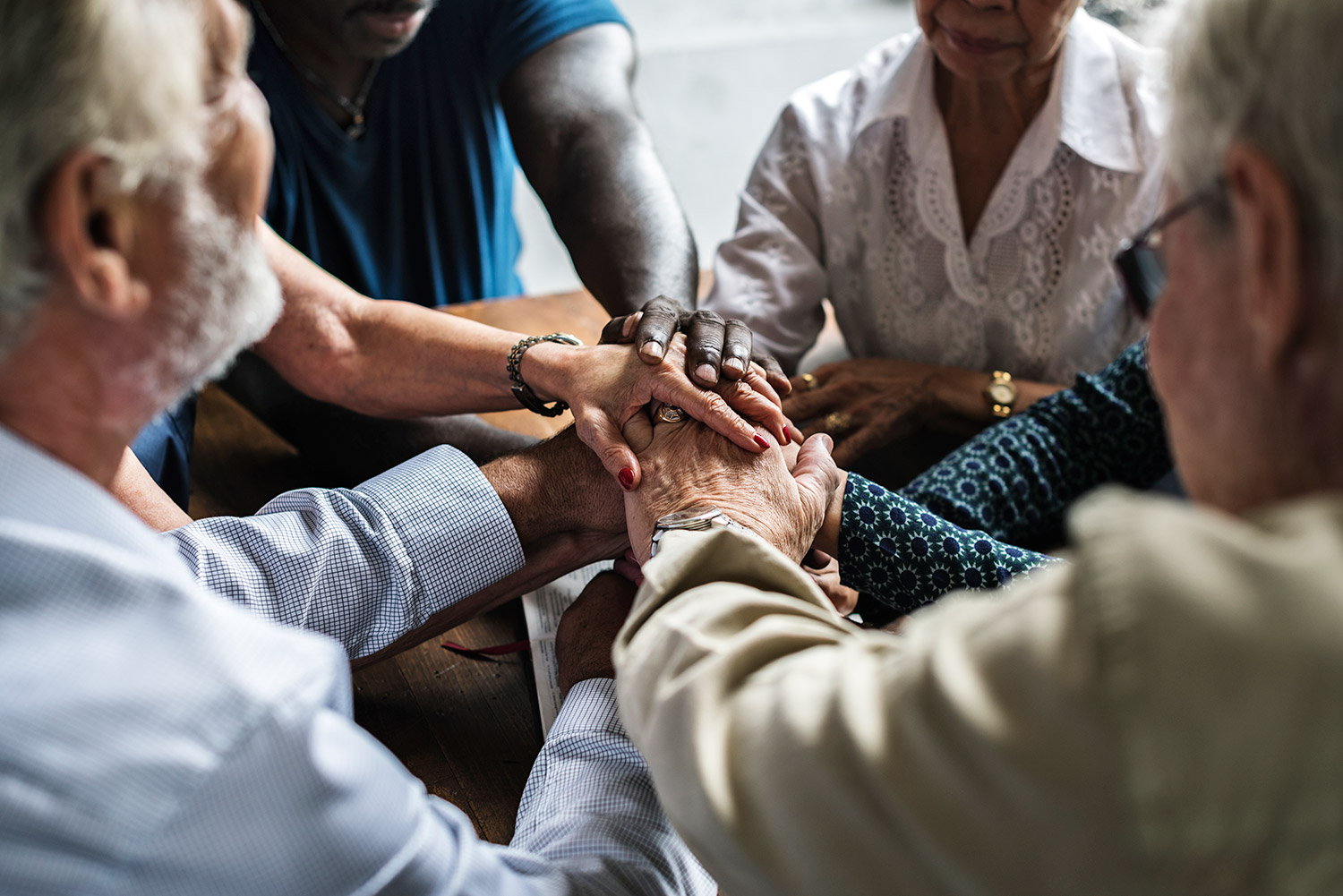
A gradual shift in how people connect
Many people have noticed a change in how connection feels in everyday life. While communication has become more accessible through digital tools, the frequency of in-person, meaningful interaction has decreased. Daily routines are often busier and more individualized, and opportunities for casual, repeated encounters have become less common.
This shift has not happened all at once, which makes it harder to recognize. Over time, however, it has led to a noticeable reduction in the types of interactions that help people feel grounded in their communities.
Why community still plays a critical role
Community provides more than social interaction. It offers a sense of belonging, continuity, and shared experience. When people feel connected to those around them, they are more likely to feel supported and engaged in their environment.
For older adults, this connection becomes especially important. Without it, the risk of isolation increases, and the support structures that many people rely on become less accessible. Community helps create a network of relationships that can respond to both everyday needs and unexpected challenges.
What rebuilding community actually involves
Rebuilding community does not require large-scale initiatives to be effective. In many cases, it begins with smaller, consistent interactions that gradually build familiarity and trust. Seeing the same people regularly, having ongoing conversations, and participating in shared activities all contribute to a stronger sense of connection.
These patterns create a foundation that allows relationships to develop over time. When interactions are repeated and reliable, they become part of the social fabric rather than isolated moments.
The role of intergenerational connection
One of the opportunities that has received increasing attention is the role of intergenerational interaction. When people from different age groups spend time together, it creates space for shared understanding and mutual support. These relationships can challenge assumptions, broaden perspectives, and strengthen the overall sense of community.
This idea reflects concerns raised by Bowling Alone, where Robert D. Putnam argues that modern life has steadily weakened the social ties that once connected people through neighbourhoods, civic groups, and extended family networks. As communities have become more fragmented and generations increasingly live apart from one another, many people have lost the informal support systems that once formed the “village” around everyday life. Intergenerational connection offers a way to rebuild some of that social fabric by creating meaningful relationships across age groups and restoring a stronger sense of belonging and reciprocity within communities.
They also help address isolation in a way that benefits multiple groups at once, rather than focusing on a single population.
From individual connection to collective impact
Companionship can be understood as one of the building blocks of community. Each consistent, one-on-one interaction contributes to a larger network of relationships. As these connections accumulate, they create a more supportive and resilient environment.
This approach focuses on creating sustainable patterns of interaction rather than relying on occasional efforts. Over time, these patterns help re-establish the kinds of connections that allow communities to function effectively.
Final thoughts
Rebuilding community involves a shift toward more intentional connection. While the broader environment has changed, the fundamental elements of connection remain the same. Consistent interaction, shared experiences, and ongoing relationships continue to play a central role in how people support one another.
By focusing on these elements, it becomes possible to create a stronger, more connected environment that benefits individuals across all stages of life.


