Social Isolation / Loneliness
Understanding social isolation beyond “being alone”
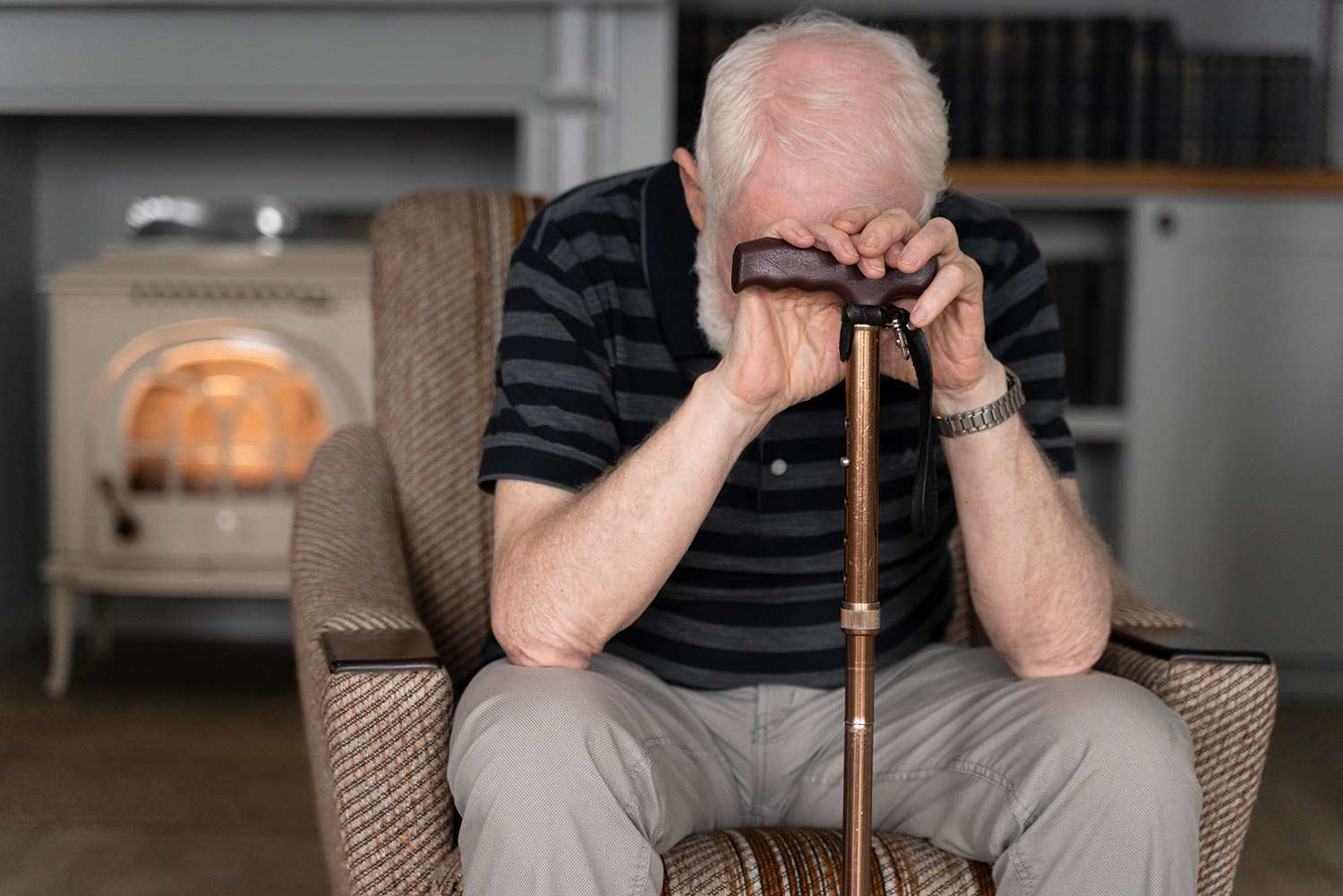
Social isolation in seniors is often misunderstood because it tends to be framed too simply. It’s easy to assume that loneliness is just about physical solitude, but many older adults experience something deeper than that. It’s a sense of disconnection that builds gradually over time, often without drawing much attention. Someone can be surrounded by people, live with family, or have occasional visits and still feel a lack of meaningful interaction in their daily life.
That quiet disconnection has very real consequences. Research has consistently linked social isolation in older adults to increased risks of heart disease, cognitive decline, depression, and even premature mortality. These outcomes are not the result of a single factor, but rather the accumulation of missed interactions, reduced stimulation, and the absence of consistent emotional engagement. When these conditions persist, they begin to affect both mental and physical health in ways that are difficult to reverse quickly.
Why loneliness becomes more common over time
The increase in loneliness with age rarely comes from one major event. Instead, it tends to unfold through a series of life changes that gradually reshape a person’s daily environment. Retirement often removes the structure and social rhythm that work once provided. Mobility challenges can make it harder to leave the home or participate in activities that used to feel routine. Social circles shrink over time, whether due to distance, illness, or loss, and maintaining connections becomes more effortful.
At the same time, family members may live farther away or have schedules that limit how often they can visit. None of these changes are unusual on their own, but together they reduce the number of natural, recurring interactions that people rely on without thinking about it. Over time, the absence of those interactions creates a noticeable gap in both emotional connection and daily engagement.
How isolation affects health in subtle but powerful ways
One of the more concerning aspects of social isolation is how quietly it begins to influence the body. Chronic loneliness has been associated with increased stress responses, disrupted sleep patterns, and lower levels of motivation. These changes may seem small at first, but they tend to reinforce each other. When someone feels disconnected, they are less likely to seek out activity or maintain routines, which can further reduce opportunities for interaction.
This creates a pattern where isolation leads to withdrawal, and withdrawal makes it harder to re-engage. Over time, this can affect cognitive sharpness, emotional resilience, and overall quality of life. The longer this pattern continues, the more difficult it becomes to interrupt without intentional and consistent support.
What helps in a meaningful way
Addressing social isolation requires more than occasional check-ins or one-time solutions. While those efforts are well-intentioned, they often lack the consistency needed to create lasting change. What tends to make a measurable difference is regular, meaningful interaction that becomes part of someone’s routine. This kind of connection allows relationships to develop naturally, which in turn creates comfort, trust, and a sense of familiarity.
Companionship plays an important role here because it introduces structure without being clinical. It provides opportunities for conversation, shared activities, and simple presence, all of which contribute to a stronger sense of connection. When interaction becomes something a person can rely on, rather than something that happens sporadically, the impact is noticeably different.
Looking at the broader context
Social isolation does not exist in isolation from the rest of society. It reflects broader patterns in how people live, work, and connect with each other. As daily life becomes more fragmented and communities become less centralized, the kinds of interactions that once happened naturally now require more intentional effort.
This is part of why solutions such as companionship and intergenerational connection are gaining attention. They are not new ideas, but they respond directly to the gaps that have developed over time. When approached thoughtfully, they offer a way to rebuild consistent, human connection in a way that feels natural rather than forced.
Final thoughts
Social isolation in seniors is often overlooked because it develops gradually and without urgency. However, its impact is far-reaching, affecting not only emotional well-being but also physical health and long-term quality of life. Addressing it requires more than awareness. It requires consistent, thoughtful connection that fits into everyday life in a sustainable way.


